The Internet of Things (IoT) is no longer a futuristic concept — it has become one of the most influential forces shaping modern life. At its core, IoT refers to the network of physical smart devices that connect and communicate through the Internet, enabling them to collect, share, and act on data autonomously. From homes and workplaces to cities and industries, IoT devices are transforming daily life by enhancing convenience, efficiency, connectivity, and decision‑making. The growth of smart devices reflects an ongoing technological revolution that is quietly reshaping how people live, work, and interact with their environments.
In the last decade, IoT has expanded far beyond simple internet-connected gadgets to become a backbone of digital infrastructure. These connected devices include everyday appliances, wearable health trackers, smart home systems, industrial sensors, and urban infrastructure platforms. Together, they form a vast ecosystem that drives real-time responsiveness and automation, fundamentally changing daily routines and expectations.
1. What Is IoT and Why It Matters Today
The Internet of Things refers to the system of physical objects with embedded sensors, processors, and connectivity software that allows them to communicate with other devices and centralized networks. IoT’s evolution has turned ordinary objects—like thermostats, watches, refrigerators, and cars—into smart devices capable of reacting to real-time data and user behavior.
These smart devices improve daily life by automating tasks such as temperature control, security monitoring, and health tracking. They collect and analyze data, enabling individuals and organizations to make informed decisions quickly and efficiently. IoT’s sheer scale — projected to continue growing to tens of billions of connected endpoints worldwide — reflects its central role in both consumer and industrial contexts.
2. Massive Growth of Connected Smart Devices
One of the defining features of IoT is its rapid and massive expansion. Around the world, billions of connected devices are already in use — from wearable fitness trackers and smart speakers to industrial sensors and smart city infrastructure. Forecasts suggest that connected IoT devices will continue to skyrocket, with tens of billions of endpoints expected by the end of the decade.
This growth is being driven by falling hardware costs, enhanced wireless technologies like Wi‑Fi, 5G, and Bluetooth Low Energy (BLE), and the increasing integration of AI (artificial intelligence) into IoT systems. As sensors become smaller and cheaper, new categories of devices are connected every year, creating an ecosystem where everyday objects gain intelligence and network capability.
3. IoT in Smart Homes: Convenience and Comfort
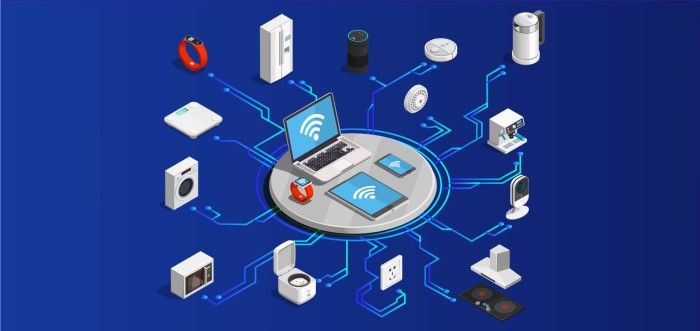
The most recognizable everyday impact of IoT is in smart homes. Most modern households include multiple connected devices — such as voice assistants, smart thermostats, security cameras, smart lighting, and appliances — making homes more convenient, energy-efficient, and secure.
Smart thermostats, for example, learn user routines and adjust temperatures to save energy when occupants are away. Security systems can be monitored remotely via mobile apps, with real-time alerts for events like unexpected motion. Smart speakers and home hubs allow centralized control of all connected systems, bringing automation into daily life that used to require manual effort.
4. Wearables and Personalized Health Monitoring
A growing category of IoT is wearable technology — devices like smartwatches, fitness trackers, and health monitors that track physiological data in real time. These devices can measure heart rate, sleep cycles, activity levels, respiratory patterns, and even body temperature — generating insights that can improve individual lifestyle choices.
For people managing chronic conditions, connected medical wearables and remote monitoring tools send real-time health data to caregivers and clinicians, enabling more responsive care and reducing reliance on in-person visits. This blend of IoT and health technology is enhancing quality of life, supporting preventative care, and opening new possibilities for personalized medicine.
5. Smart Mobility and Transportation Enhancements
IoT’s impact extends into everyday travel and transportation. Connected vehicles use sensors and internet connectivity to optimize navigation, improve safety, and provide real-time updates on traffic conditions. Real-time data from machines can help drivers avoid congested routes, identify service needs, and reduce fuel consumption.
Public transit systems, too, are increasingly “smart,” using IoT for scheduling, fleet monitoring, and passenger flow analysis. As transportation networks become more integrated with IoT systems, commuters benefit from smoother, more predictable travel experiences — and cities gain the ability to reduce congestion and emissions.
6. Workplace and Industrial IoT (IIoT)
Beyond homes and personal devices, IoT is revolutionizing workplaces and industries through the Industrial Internet of Things (IIoT). Factories and offices use IoT devices to monitor equipment performance, optimize energy use, track inventory, and automate repetitive tasks. Sensors embedded in machinery can forecast maintenance needs, preventing breakdowns and reducing downtime.
In logistics and supply chain management, IoT tracking enables real-time visibility across transit routes and stock levels, improving delivery times and reducing costs. These data-driven workplace environments enhance productivity while creating safer and more efficient operations.
7. IoT and Smart Cities: Urban Living Redefined
IoT also plays a central role in smart city initiatives that aim to improve urban living through technology. IoT sensors monitor traffic flows to reduce congestion, manage street lighting for energy savings, and optimize waste collection routes to lower environmental impact. These interconnected systems make cities more efficient, reduce operational costs, and improve quality of life for residents.
Smart cities also integrate IoT into public safety, water treatment, parking systems, and environmental monitoring — contributing to more responsive and sustainable urban environments. These applications illustrate how smart devices can transform collective community infrastructure, not just individual lifestyles.
8. IoT Connectivity and Technology Innovations
The growth of smart devices and IoT is closely tied to advancements in connectivity technologies. Protocols like Bluetooth Low Energy, Wi‑Fi, 5G, NB‑IoT, and LPWAN (Low-Power Wide-Area Networks) enable devices to communicate efficiently while managing power consumption. These technologies provide scalable solutions that range from wearable sensors to massive sensor networks covering whole cities.
As connectivity improves, the speed and reliability of data transmission increase, enabling more complex IoT use cases. For example, industrial monitoring and smart agriculture systems rely on low-power networks that support long battery life and wide coverage, integrating thousands of sensors in remote locations.
9. IoT in Healthcare and Remote Monitoring
In healthcare, IoT has expanded rapidly through remote monitoring devices and smart diagnostic tools. Connected medical devices can send vital information to doctors, caregivers, or health apps — enabling real-time tracking of patient conditions outside clinical settings. This shift enhances both preventative and responsive care.
Wearables that monitor cardiac rhythms or blood glucose levels help users manage chronic conditions with data, reminders, and alerts. Real-time health data means quicker responses to emergencies and better long-term health insights — a profound transformation in personal health management.
10. Energy Efficiency and Environmental Impact
Smart devices and IoT systems are increasingly used to reduce energy consumption and environmental waste. Home systems — such as smart thermostats, intelligent lighting, and IoT-controlled HVAC units — optimize energy usage based on occupancy and preferences. In industrial and commercial buildings, IoT sensors can balance power distribution to reduce waste and lower bills.
At the city level, IoT contributes to environmental monitoring by tracking air quality, water usage, and pollution levels. These insights enable more effective environmental policies and community responses, supporting sustainability goals alongside technological growth.
11. Everyday Lifestyle Enhancements
In daily life, the effect of IoT can be subtle yet significant. Smart appliances can alert users when groceries are low, schedule maintenance, or adapt their operation for efficiency. Smart assistants help with reminders, timetables, music, and automation of routines through voice or smartphone commands.
IoT also plays a role in lifestyle customization, allowing users to continuously adjust environments — like home temperature or lighting — based on personal preferences or habits without manual intervention. This seamless integration of technology contributes to a more comfortable and convenient daily experience for many people.
12. Challenges: Security, Privacy, and Interoperability
Despite its benefits, the rapid spread of smart devices and IoT raises challenges that need careful attention:
-
Security and privacy: More connected devices mean more data flows and potential vulnerabilities if not properly secured.
-
Interoperability: Devices from different manufacturers may use varied communication protocols, creating compatibility issues.
-
Data protection: IoT devices collect sensitive information — including behavioral and health data — necessitating strong protections and ethical use practices.
Addressing these issues requires collaboration among manufacturers, regulators, and users to build secure, interoperable, and trusted IoT ecosystems that respect privacy and data protection norms.
Conclusion: A Connected Life Built on IoT
Smart devices and the growth of the Internet of Things are reshaping daily life in ways once seen only in science fiction. From connected homes and personalized health monitoring to smarter transportation, workplaces, and cities, IoT brings automation, insight, and efficiency together in an interconnected digital world.
As billions of devices become part of daily routines, IoT’s influence will continue to grow — driving innovation, transforming industries, and challenging us to build secure and inclusive technologies for the future. Understanding IoT’s role in everyday life helps people appreciate how pervasive and impactful smart connectivity has become in shaping a more intelligent, efficient, and adaptable world.
Read more : webxcels.com